One Integrated Ceremony or Separate Wedding Events? A Structure Decision
If you are deciding between one wedding ceremony or two, either structure may work. Some couples coordinate the traditional wedding, white wedding, church service, reception, and civil appointment into one broader programme. Others use separate wedding events or dates so each stage has enough time and attention.
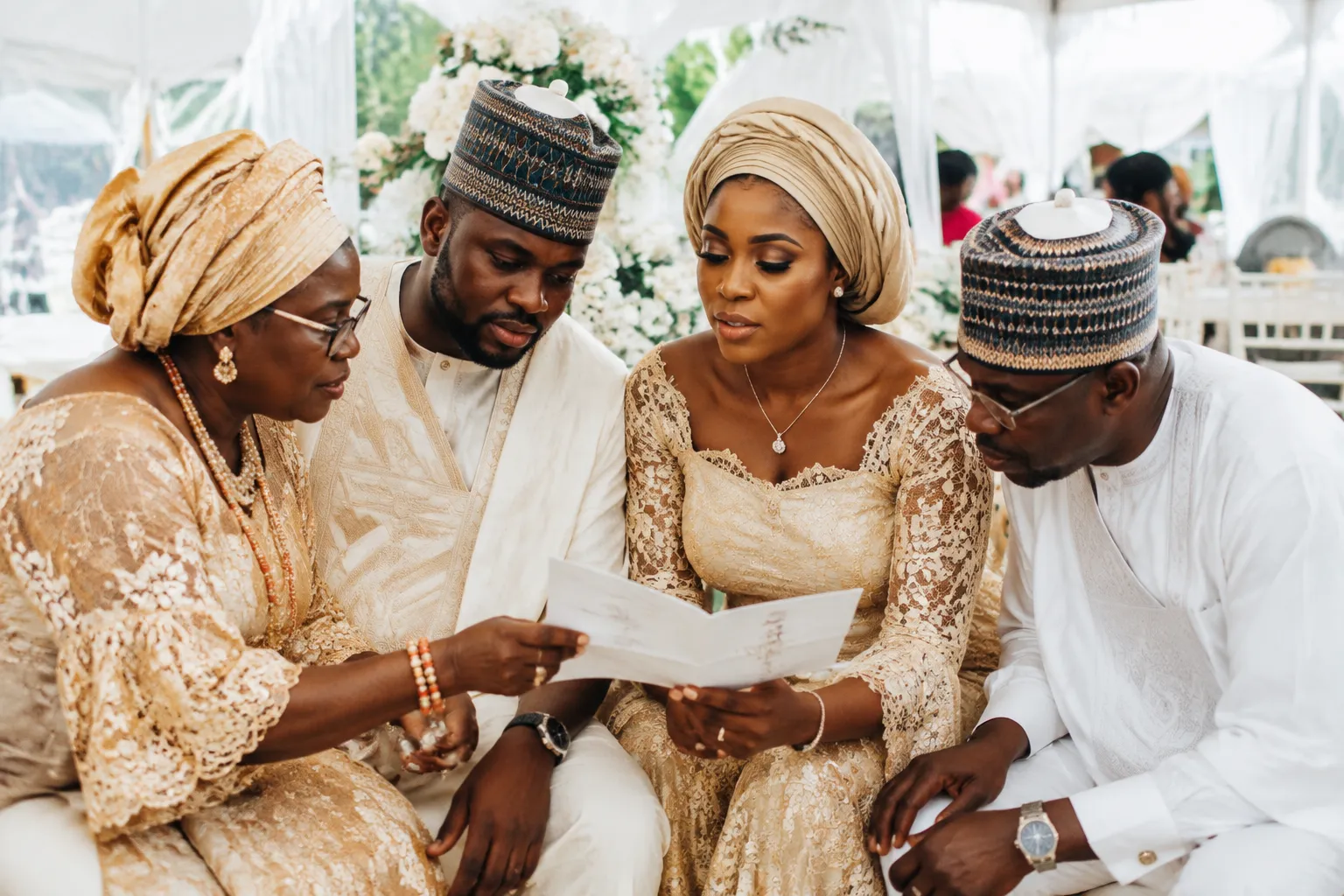
The practical choice depends on what the couple, families, local congregation, relevant registry, venues, and vendors can confirm. A combined programme is not automatically simpler, and separate dates do not automatically create a better ceremony.
What “One Wedding” Can Mean
“One wedding” may describe one day containing a traditional wedding and white wedding, a traditional and religious ceremony at one venue, or a public programme with several ceremony segments. It may also include a small civil wedding appointment before or after the main celebration.
“Two weddings” may mean two culturally distinct ceremonies, two separate dates, or a private registry appointment followed by a larger celebration. Terms such as “court wedding,” “registry,” “civil wedding,” and “paperwork” do not mean the same thing in every family conversation.
Agree on the meaning before booking around it. The label alone does not establish the family, religious, or civil status of a ceremony.
When One Integrated Wedding Programme Can Work
A combined wedding day can be workable when the main participants agree on the order, locations, timing, and responsibilities before invitations and vendor bookings are finalized.
- The couple owns the overall schedule.
- Family representatives confirm the traditional stage, hosts, gifts, and guest expectations.
- The local congregation or officiant confirms whether its service can share the date or venue.
- The relevant registry confirms the current civil process and appointment arrangements.
- Venues are available for the full sequence, including transitions and room changes.
- Guests understand which stages they should attend and when they should arrive.
This format may suit couples who want one principal guest day, one communication plan, or traditional and religious celebrations close together. It can also place a small civil appointment before or after the public event, depending on the registry.
Ethnographic material on Igbo traditional marriage describes family-led stages and discusses circumstances in which a traditional wedding and white wedding may be arranged on the same day. That is a bounded example, not a standard sequence for all Igbo families or Nigerian weddings.
Where a Combined Day Becomes Difficult
The pressure usually comes from transitions rather than from the number of ceremony names on the programme. Guests may need to move between spaces while the couple changes clothing and the venue team resets the room.
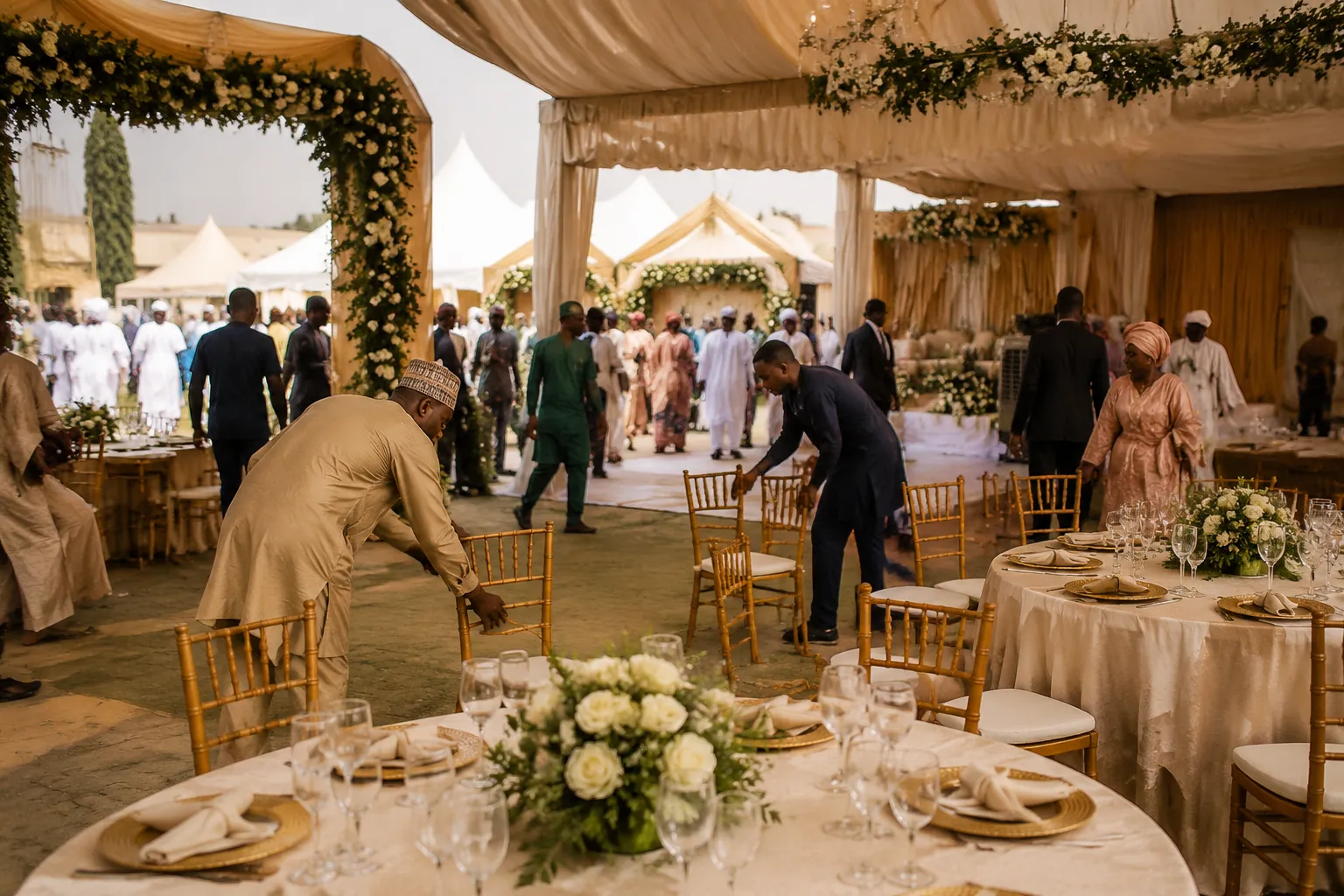
Before choosing this structure, settle:
- How much time each ceremony stage needs
- Whether the same venue is available for the full period
- Whether guests attend every stage or arrive at different times
- Where clothing changes will take place
- Who introduces each stage to the guests
- Whether food is served once or between ceremonies
- Which family hosts each segment
- Whether the congregation has a fixed service time
- Whether the registry requires a separate appointment
- Who manages delays when an earlier stage runs over
A vendor can explain what its contract covers, but it cannot approve a family custom, congregation requirement, or registry procedure. Ask the person or institution responsible before treating a proposed timeline as settled.
A combined wedding day may reduce duplicated logistics, but it does not establish financial savings. Extra transport, staffing, room access, clothing changes, or extended vendor hours may change the total.
When Separate Wedding Events May Be More Practical
Separate wedding events may give each ceremony a clearer purpose and a less compressed schedule. One possible sequence is a family introduction or traditional stage first, followed by a church or white wedding on another date, with a civil appointment arranged through the relevant registry.
This structure may help when:
- Families expect different hosts, roles, or guest lists
- The traditional programme includes several family-led stages
- The congregation offers limited ceremony dates
- The registry appointment cannot fit within the public celebration
- The venues are in different locations
- The couple wants each family to receive focused attention
- Guests cannot reasonably attend one long programme
- Attire, photography, catering, or hosting require separate schedules
Separate dates can make responsibilities easier to explain. The tradeoff is more transport, venue access, guest communication, food, photography, attire, and vendor coordination across the full wedding plan.
Keep the Three Decision Layers Separate
Many planning disagreements begin when cultural practice, religious expectation, and civil procedure are treated as one question.
Family and Cultural Expectations
Families may have views about the introduction ceremony, traditional wedding, bride’s family involvement, gifts, hosts, language, attire, and the order of public and private stages. These expectations can differ across Yoruba, Igbo, Hausa/Fulani, multicultural, and diaspora families.
Ask each family representative which stage the family expects, which activities should remain private, who will host or speak, which guests should attend, and whether one date or separate dates are preferred.
An introduction ceremony should not be treated as a universal legal requirement based on family accounts or social commentary. Its place in the wedding plan belongs to the couple and the relevant family representatives.
Religious and Church Arrangements
The local congregation or officiant confirms whether a church wedding or other religious ceremony can be combined with another stage. The congregation may have its own expectations about preparation, scheduling, ceremony content, witnesses, venue use, or timing.
Ask whether the service can share a date or venue with the traditional event, what preparation must happen before booking, who must be present, and whether the proposed order is acceptable to that congregation.
A religious ceremony does not answer the couple’s civil-registration questions. Those are separate confirmation areas.
Civil and Registry Procedure
Current civil details belong to the relevant registry and jurisdiction. Nigeria’s Marriage Portal and government procedural guidance direct couples toward the appropriate registry, but they do not establish identical documents, fees, appointment rules, witnesses, venue rules, or ceremony arrangements everywhere.
Before announcing the date, ask the registry:
- Whether a separate civil wedding appointment is required
- Which documents and identification are currently needed
- Whether witnesses are required and how many
- Which appointment dates and locations are available
- Where the ceremony may take place
- Which signatures, certificates, or copies are issued
- Whether the appointment can coordinate with another wedding event
- What happens if the venue or date changes
Registry information from a planner, social post, or relationship platform can suggest questions. Confirmation must come from the relevant registry or current public marriage portal.
Compare Responsibilities Before Comparing Dates
Create one planning row for each ceremony stage. Record the proposed date, venue, host, guest list, officiant or ceremony leader, vendor responsibilities, and unresolved confirmation.
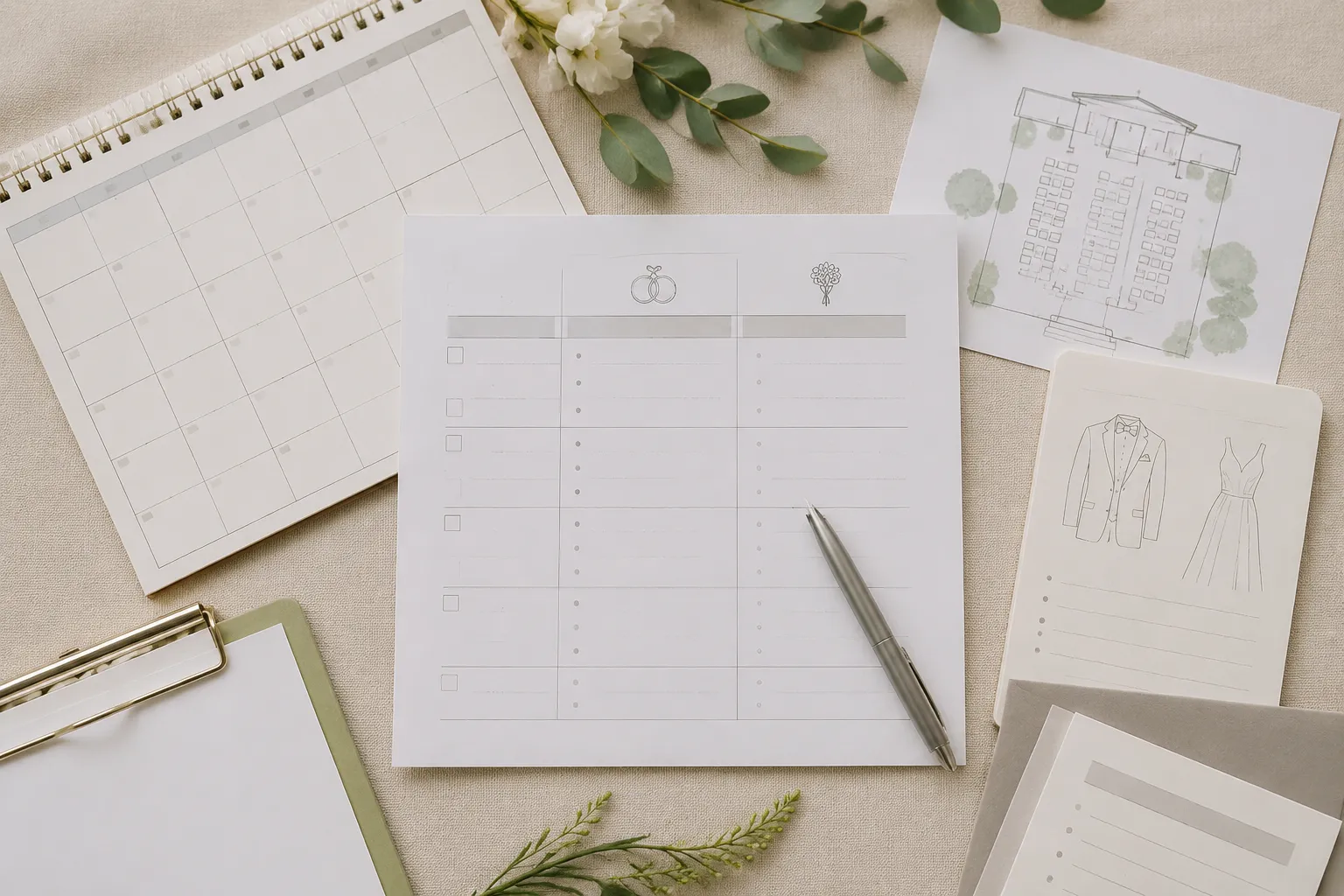
| Decision area | Person or institution to confirm with |
|---|---|
| Overall order and priorities | The couple |
| Traditional stages, hosts, gifts, and family guests | Relevant family representatives |
| Religious preparation, date, and ceremony format | Local congregation or officiant |
| Documents, witnesses, appointment, and civil process | Relevant registry |
| Transport, room changes, food, photography, and timing | Each vendor under its agreed contract |
A planner may coordinate a draft schedule without having authority to approve every part of it. The family still decides whether the sequence fits its expectations, the congregation confirms its service, and the registry confirms its process.
Choosing Between One Day and Separate Dates
Choose one integrated wedding programme when the couple has confirmation from the relevant participants, the venues support the full sequence, and guests can understand when and where each stage occurs.
Choose separate wedding events when institutional timing is fixed, family responsibilities are substantial, locations are difficult to connect, or the combined programme leaves little room for delays and transitions.
A combined day concentrates pressure into timing, guest movement, venue access, and handoffs. Separate dates spread that pressure across more bookings, communications, and planning decisions.
Questions to Settle Before Booking
- Which ceremony does each family expect, and who has agreed to host it?
- Does the couple mean one ceremony, two ceremony segments, or several events under one programme?
- Can the local congregation schedule its service with the traditional stage?
- Does the relevant registry require a separate civil wedding appointment?
- Which current documents, witnesses, signatures, and venue details must the registry confirm?
- Which guests must attend each stage?
- Can the couple and key family members move between venues without compressing the programme?
- Where will clothing changes, photography, and meal service fit?
- Who approves and pays for each ceremony stage?
- Which vendor is responsible for each transition if the schedule changes?
The answer to one wedding ceremony or two is conditional. Use one integrated programme when the people responsible can confirm the same sequence. Use separate wedding events when the stages need different dates, spaces, or levels of attention.
Before booking, ask family representatives about cultural expectations, the local congregation about religious scheduling, the relevant registry about current civil procedure, and each vendor about the operational timeline.
Sources
- Home | Marriage Portal
- How to register a marriage in Nigeria
- Ethnography of Traditional marriages (Igba-Nkwu) in Southeast Nigeria.pdf
- Belief in Marriage
- Trying to get a piece of paper from City Hall? The availability, accessibility, and administration of the register office wedding
- Getting married in times of COVID-19: Structure, agency, and individual decision making